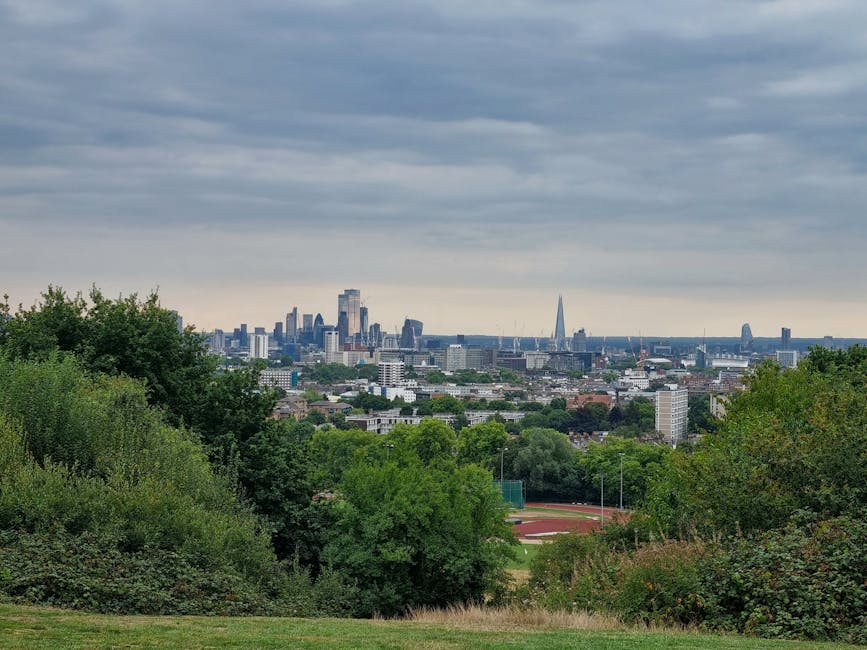
Primrose Hill garden rubbish removal in Camden explained
Posted on 27/08/2026
Primrose Hill Garden Rubbish Removal in Camden Explained
Clearing garden waste in Primrose Hill can feel simple right up until you are standing beside a damp pile of branches, soil-filled bags, broken trellis, and a stubborn old planter that will not fit in the boot. Then it becomes one of those jobs that is somehow heavier, messier, and more time-consuming than expected. This guide to Primrose Hill garden rubbish removal in Camden explained breaks the process down in plain English, so you can understand what counts as garden waste, how collection usually works, what to watch out for, and how to choose the right approach for your property. Whether you are tidying a small courtyard, clearing an overgrown rear garden, or dealing with a larger seasonal clean-up, the aim here is practical clarity, not jargon.
Garden waste removal is not just about making the space look neat again. Done properly, it protects access routes, reduces trip hazards, keeps shared entrances usable, and helps make sure waste is handled in a responsible way. And in a dense part of Camden, that matters more than people sometimes realise.

Why Primrose Hill garden rubbish removal in Camden explained Matters
Primrose Hill has a particular rhythm to it. You notice it in the smaller front gardens, the shared paths, the tight access points behind terraces, and the constant balancing act between keeping things tidy and not disturbing neighbours. That is exactly why garden rubbish removal needs a bit of thought here. A messy clearance can block steps, attract pests, and make already narrow access awkward for everyone.
There is also the simple fact that garden waste is rarely just "garden waste". A garden tidy-up often turns into a mixed load: green waste, bags of old compost, cracked pots, fencing offcuts, dead turf, shed contents, light DIY debris, maybe even a bit of household clutter that migrated outdoors over time. If you do not separate the load properly, the job gets harder, and disposal options can narrow. It sounds obvious, but in real life the pile can look harmless until you start lifting it.
For homes and flats around Primrose Hill and the wider Camden area, this matters for another reason too: access. A crew may need to move items through side returns, narrow gates, communal walkways, or basement steps. If that is not planned carefully, the collection can take longer than expected. Not dramatic, just inconvenient. And nobody wants a Saturday morning spent negotiating a thorny branch through a hallway.
If you want to understand how local waste handling fits into a broader Camden picture, it can help to read about the borough's wider waste services, including garden waste removal in Camden and the wider services overview. That gives a better sense of what a professional collection can cover.
How Primrose Hill garden rubbish removal in Camden explained Works
In practical terms, garden rubbish removal usually starts with identifying what needs to go. A good clearance is less about brute force and more about sorting. Green waste is one thing; mixed bulky waste is another. Once the waste type is clear, collection can be planned around size, access, and how quickly the job needs to happen.
Here is the general flow most people find easiest to follow:
- Identify the waste - branches, hedge cuttings, lawn clippings, leaves, soil, plant pots, timber, bagged waste, broken outdoor furniture, and similar items.
- Separate reusable from disposable items - sometimes a rake, planter, or bench can be kept or donated rather than thrown away.
- Bundle and contain the load - bags, tied bundles, and stacked items make handling safer and cleaner.
- Check access - gates, parking, shared entrances, and stairways matter more in Primrose Hill than people expect.
- Arrange collection - timing should fit both your schedule and the property layout.
- Ensure proper handling and recycling - green waste should be treated differently from mixed rubbish where possible.
Some households do a small amount of garden clearance themselves. That can work if the waste is light and the volume is manageable. But once the pile starts to involve soil, wet cuttings, broken fixtures, or repeated trips to a vehicle, the job often becomes more demanding than it first looked. Truth be told, that is where many people decide they would rather have the whole thing gone in one go.
For mixed clearances that include items beyond garden debris, it can be useful to compare other services too, such as domestic waste collection in Camden or house clearance in Camden. The right option depends on whether the load is purely outdoor waste or part of a larger declutter.
Key Benefits and Practical Advantages
The obvious benefit is space. A cleared garden looks bigger, lighter, and more usable almost immediately. But the practical advantages go further than appearance.
- Faster turnaround - you do not need to do repeated tip runs or rent equipment for a whole weekend.
- Safer access - paths, steps, and entryways can be cleared without leaving loose debris behind.
- Less strain - heavy bags of wet cuttings and soil are awkward; lifting them repeatedly is no joke.
- Cleaner finish - a proper removal usually leaves the area ready for the next stage, whether that is planting, landscaping, or just sitting outside with a cup of tea.
- Better waste sorting - when green waste and mixed waste are handled carefully, recycling becomes easier.
- Neighbour-friendly - in a close-knit street or shared building, a neat clearance is simply less disruptive.
There is a quieter benefit too: momentum. Once the waste is gone, people often finish the rest of the garden work. A cleared border suddenly looks manageable. A broken shed panel that sat there for months? Gone. It sounds small, but it can change how you feel about the space.
If sustainability matters to you, it is worth looking at how collected material may be sorted and diverted responsibly. The website's recycling and sustainability page is a useful place to understand that broader approach.
Who This Is For and When It Makes Sense
This kind of service is not just for large gardens or major landscaping projects. In Primrose Hill, plenty of smaller jobs create enough waste to justify professional removal. A small front garden with overgrown shrubs can generate more debris than expected. A rear yard behind a flat may hold old plant containers, pruning waste, and a few bits of broken outdoor furniture. One minute it is a tidy-up, the next it is a proper load.
It makes sense for:
- homeowners preparing a garden for spring or autumn
- landlords clearing outdoor areas between tenancies
- tenants who need to leave a garden tidy at the end of a lease
- busy households with no time for repeated disposal trips
- property sellers wanting the outside space to look presentable
- people dealing with storm damage, fallen branches, or an unexpectedly wild patch of growth
It also suits anyone who would rather avoid hiring a vehicle, lifting heavy bags, or figuring out where each waste type should go. And let's face it, many people would rather spend a Sunday in Primrose Hill itself than loading cuttings into a van.
For residents with broader clean-up needs, there may be overlap with furniture removal in Camden or even white goods and appliance disposal in Camden if the garden clear-out has turned into a bigger declutter.
Step-by-Step Guidance
If you want the process to run smoothly, it helps to treat it as a sequence rather than a rush job. A little planning saves a lot of backtracking later.
1. Walk the area first
Take five minutes and look at the garden as if you were carrying every item out by hand. Which gate is easiest to use? Are there low branches, narrow corners, or slippery surfaces? This quick scan often reveals the real challenge before the work starts.
2. Sort the waste into simple groups
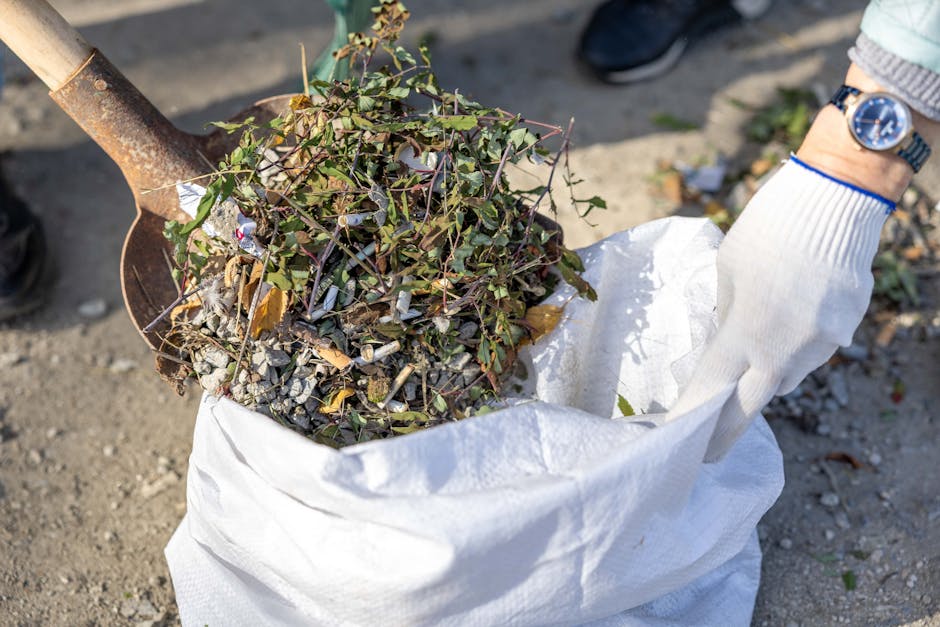
Keep green waste, timber, old pots, bags of soil, and mixed junk separate where possible. That makes handling cleaner and may improve recycling outcomes. Wet compost and soil bags are especially heavy, so do not underestimate them.
3. Break down bulky items where safe
Long branches, old trellis, or light garden structures can sometimes be dismantled into smaller, safer pieces. Not everything should be cut up, of course, but reducing awkward bulk is often worth it.
4. Protect pathways and shared areas
Use dust sheets, gloves, and bags that will not split halfway down the stairs. If waste must pass through a communal hall or side return, keep it tidy. Neighbours notice these things more than you think.
5. Arrange the collection window
Morning collections can be helpful if the load is large, because the rest of the day stays open. For smaller jobs, a short collection slot may be enough. The key is making sure the crew can access the waste without delay.
6. Confirm what will be taken
Mixed garden waste can include items that need special handling, such as chemicals, paint tins, or electricals left outdoors. If anything unusual is in the pile, mention it upfront. That avoids surprises. And nobody likes surprises in a rubbish pile, anyway.
7. Final sweep
Once the waste has gone, give the space a quick sweep or rake. It is the difference between "cleared" and "properly finished". Small thing, big payoff.
Expert Tips for Better Results
After plenty of garden clear-ups, a few habits always make the process easier. None of them are complicated, which is part of the point.
- Book around the weather - a dry day is easier for lifting and reduces the amount of mud carried through the house.
- Keep the heaviest bags closest to the exit - you will thank yourself later.
- Use smaller bags for soil and wet waste - it reduces the risk of splitting.
- Trim awkward branches before collection - if it is safe to do so, shorter lengths are much easier to move.
- Do not mix hazardous items with green waste - chemicals, paint, batteries, and similar items need separate care.
- Plan the clearance before a landscaping job - it is easier to start fresh than to work around old debris.
A useful rule of thumb: if an item feels awkward in your hands before you lift it, it will probably feel worse after three flights of stairs. Sounds obvious. Still true.
If you want a fuller picture of what a professional team should be able to handle, the about us and insurance and safety pages help explain the standards behind the service.
Common Mistakes to Avoid
Garden rubbish removal is one of those jobs where a few small mistakes make the whole thing slower and more tiring than it needs to be. These are the ones we see most often.
- Leaving sorting until the last minute - once everything is in one heap, separating it becomes more work.
- Overfilling bags - the bag may look efficient until it tears on the way out.
- Forgetting about access - a locked gate, blocked path, or parked car can stall the whole job.
- Assuming all garden waste is the same - it usually is not.
- Mixing in non-garden items without checking - that can complicate handling and disposal.
- Underestimating soil and rubble weight - these are the silent troublemakers.
One of the easiest errors is simply not allowing enough time. A tidy-looking garden can hide a surprising amount of material. You might think it is a quick hour's work, then find yourself halfway through the pile thinking, well, this escalated. That happens.
For people trying to avoid repeat trips and uncertain disposal, a structured approach to pricing and quotes is often more helpful than guessing. It gives you a clearer expectation before the work starts.
Tools, Resources and Recommendations
You do not need a shed full of specialist gear, but a few basics make a garden clear-out far easier and safer.
- Heavy-duty garden sacks for cuttings, leaves, and light debris
- Work gloves for thorny branches, splinters, and damp materials
- Wheelbarrow or sack truck for moving heavy loads over short distances
- Secateurs, loppers, or a pruning saw for safe cutting back of manageable branches
- Dust sheets or tarpaulins to keep indoor routes clean if waste must pass through the property
- Rake and stiff broom for the final clear-up
For wider Camden residents, it can also help to look at related guidance on NW1 rubbish removal tips for Camden Town residents if you are managing access, parking, or mixed household waste in a busy street. The local pressures are not identical, but they rhyme a bit.
And if the job spills into business premises or communal gardens, the distinction between domestic and commercial clearance becomes useful. In those cases, commercial waste removal in Camden may be the better fit.
Law, Compliance, Standards, or Best Practice
Garden rubbish removal is not just a practical task; it also needs to be handled responsibly. In the UK, anyone taking waste away should be able to show that they are properly authorised to do so. For readers, that means checking that the waste is in safe hands and not being tipped illegally somewhere down the line.
Good practice usually includes:
- using a responsible waste carrier
- keeping waste separate where possible for recycling
- handling hazardous materials with extra caution
- making sure access routes remain safe during loading
- avoiding obstruction of pavements, shared entrances, or neighbouring properties
If you are comparing providers, this is one area where shortcuts are not worth it. A cheap collection that cannot explain where the waste goes is not really a bargain, not in the long run. You want reassurance, not guesswork.
The site's waste carrier licence and compliance information is a sensible reference point, and the terms and conditions page is useful for understanding how service expectations are set out. If you are thinking about payment and data handling, it also helps to read payment and security and privacy policy.
There is another trust layer that matters more than many people realise: the human side of the service. A crew that respects your property, communicates clearly, and avoids dragging muddy waste through the wrong route makes the whole experience calmer. That is best practice too, even if it does not appear in a regulation summary.
Options, Methods, or Comparison Table
Most people handling Primrose Hill garden waste will choose one of three approaches. Each has a place, depending on volume, time, and access.
| Method | Best for | Pros | Trade-offs |
|---|---|---|---|
| Self-clearance | Very small loads and light cuttings | Flexible and immediate | Time-consuming, tiring, and awkward for heavy or mixed waste |
| Skip hire | Larger ongoing projects | Useful for long jobs and mixed material | Needs space, permits may be needed, and loading still falls to you |
| Professional rubbish removal | Quick, convenient, or access-sensitive jobs | Fast, handled for you, less lifting | May cost more than doing it yourself, depending on size and type |
For many Primrose Hill properties, professional removal is the neatest option because access is often tight and the waste can be mixed. Skip hire can work well if you already have a long landscaping project underway, but it is less elegant for a one-off tidy-up behind a terrace or flat.
If the garden work has produced bulky items as well as cuttings, you might also want to look at builders waste removal in Camden if the pile includes timber, broken edging, or small renovation debris. Gardens and light building projects have a habit of crossing over. A bit annoying, but common.
Case Study or Real-World Example
Imagine a small Primrose Hill rear garden after a winter of neglect. There are hedge trimmings, a few bags of damp leaves, cracked plant pots, a broken bench slat, and a rusting metal frame leaning against the fence. Nothing dramatic. Just enough to make the space feel closed in and awkward to use.
The first step is to separate the waste into obvious groups: green waste in one set of bags, timber pieces stacked neatly, pots grouped together, and the metal frame set aside. The garden path is then cleared so nothing blocks the route out. If the route passes through a side return, the ground is protected and the waste is carried out in manageable loads rather than one unstable heap.
What tends to happen next is interesting. Once the clutter is gone, the garden looks bigger even before any planting begins. People often notice the light again. You can see the soil properly. It sounds a bit poetic, maybe, but it is true. A few minutes of clean-up changes how the whole space feels.
In a shared building, the same approach matters even more. If a garden backs onto communal access, keeping the route tidy and the time window tight reduces disruption for everyone. There is a real-world benefit there that is easy to miss when you are focused only on the waste itself.
Practical Checklist
Use this quick checklist before arranging removal or starting the job yourself:
- Have I separated green waste from mixed rubbish?
- Are there any hazardous items hidden in the pile?
- Can the waste be moved safely through the property or shared access?
- Are bags strong enough for wet cuttings or soil?
- Have I checked for bulky items that need special handling?
- Is the collection timing suitable for neighbours and access restrictions?
- Have I confirmed what I want recycled, reused, or disposed of?
- Is the area ready for a final sweep once the waste has gone?
It is a simple checklist, but simple is often what works. No need to overcomplicate a garden clear-out unless the site itself demands it.
Conclusion
Primrose Hill garden rubbish removal in Camden explained comes down to a few practical truths: know what you are clearing, plan for access, sort the waste properly, and choose a method that fits the size of the job. For small tidy-ups, DIY may be enough. For mixed, heavy, or access-sensitive clearances, a professional collection often saves time, strain, and hassle.
The main thing is not to treat garden waste like an afterthought. In a busy, built-up part of Camden, good clearance keeps your property usable, helps protect shared spaces, and makes the whole outdoor area feel more liveable. And that feeling matters. Especially when the garden is the bit of the home that gives you a bit of breathing room.
If you are weighing up your next step, start with a clear list of what needs removing and what can stay. That one small action usually makes everything else easier.
Get a free quote today and see how much you can save.